
If you’re new to investing, you’ve probably heard this term:
👉 Trading platform
But what does it actually mean?
And more importantly:
👉 Why does it matter so much?
Here’s the truth:
👉 Most beginners don’t lose money because of the market
👉 They lose money because they choose the wrong platform
This guide will break it down simply:
- What a trading platform is
- How it works
- Different types
- How to choose the right one
1. What Is a Trading Platform?
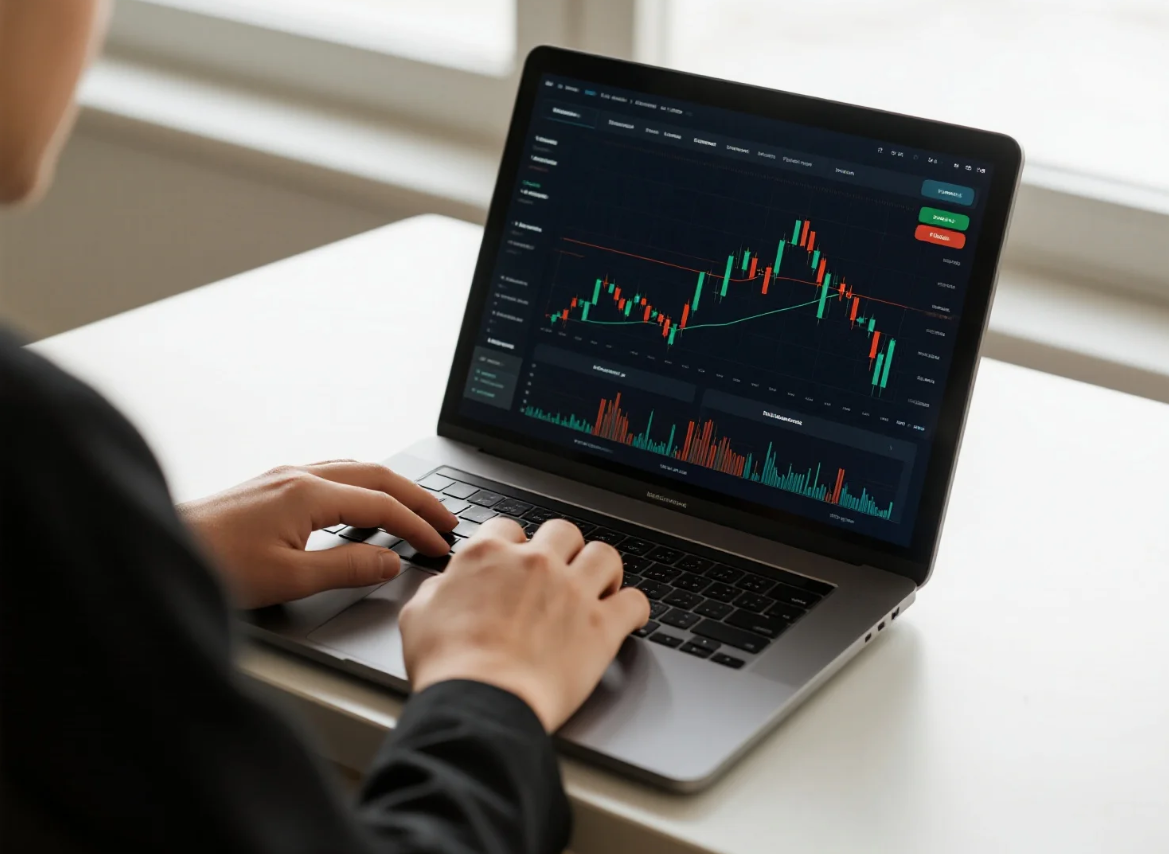
A trading platform is:
👉 A software or system that allows you to buy and sell financial assets
These assets can include:
- Bitcoin and other cryptocurrencies
- Stocks
- Forex (currencies)
- Commodities
👉 In simple terms:
👉 It’s the place where trading happens
2. How Does a Trading Platform Work?
At a basic level, a trading platform connects:
👉 Buyers and sellers
Here’s what happens:
- You place an order (buy or sell)
- The platform matches it with another user
- The trade is executed
👉 This process is called:
👉 Order matching
3. Types of Trading Platforms
🏦 1. Traditional Platforms (TradFi)
Used for:
- Stocks
- ETFs
- Bonds
Examples include brokerage platforms connected to stock exchanges.
⚡ 2. Crypto Exchanges
Used for:
- Crypto trading
These platforms operate 24/7 and often support global users.
🔗 3. Decentralized Platforms (DEX)
Used for:
- Direct wallet-to-wallet trading
👉 No intermediaries
👉 If you want to understand how traditional finance and crypto differ, read:
👉 《 TradFi vs Crypto: What Really Separates Them in 2026? 》
4. Why Choosing the Right Platform Matters
This is where most beginners go wrong.
🎯 Key factors:
1. Fees
Hidden costs can reduce your profits.
2. Liquidity
Low liquidity = worse prices
3. Security
Your assets depend on it
4. User experience
A confusing interface leads to mistakes
👉 In short:
👉 The platform directly affects your results
5. What Makes a Good Trading Platform in 2026?
✅ Transparent pricing
No hidden fees
✅ High liquidity
Better execution
✅ Fast deposits & withdrawals
✅ Beginner-friendly interface
🚀 Why Many Beginners Choose HiBT
HiBT focuses on:
- Transparent costs
- Low slippage
- Easy onboarding
- Risk control features
👉 This helps users:
👉 Trade with clarity, not confusion
6. Common Mistakes Beginners Make
❌ Choosing based on promotions
❌ Ignoring fees
❌ Using complicated platforms
❌ Trading without understanding
👉 Result:
👉 Losses that could have been avoided
7. Final Thoughts
A trading platform is not just a tool.
👉 It’s the foundation of your trading experience
👉 Choose wisely, and you improve your chances
👉 Choose poorly, and you increase your risk
Key takeaway:
👉 Your platform is your edge (or your weakness)
FAQ
Q1: Is a trading platform the same as an exchange?
Not always. Most crypto trading platforms are exchanges, but some platforms simply connect to exchanges.
Q2: Can beginners use trading platforms easily?
Yes, if the platform is designed for beginners.
Q3: What is the safest type of trading platform?
Platforms with strong security, transparency, and regulatory compliance.
Q4: Do all platforms charge fees?
Yes, but the structure and transparency vary.
Q5: What should I look for first?
Liquidity and fees—they directly affect your profits.